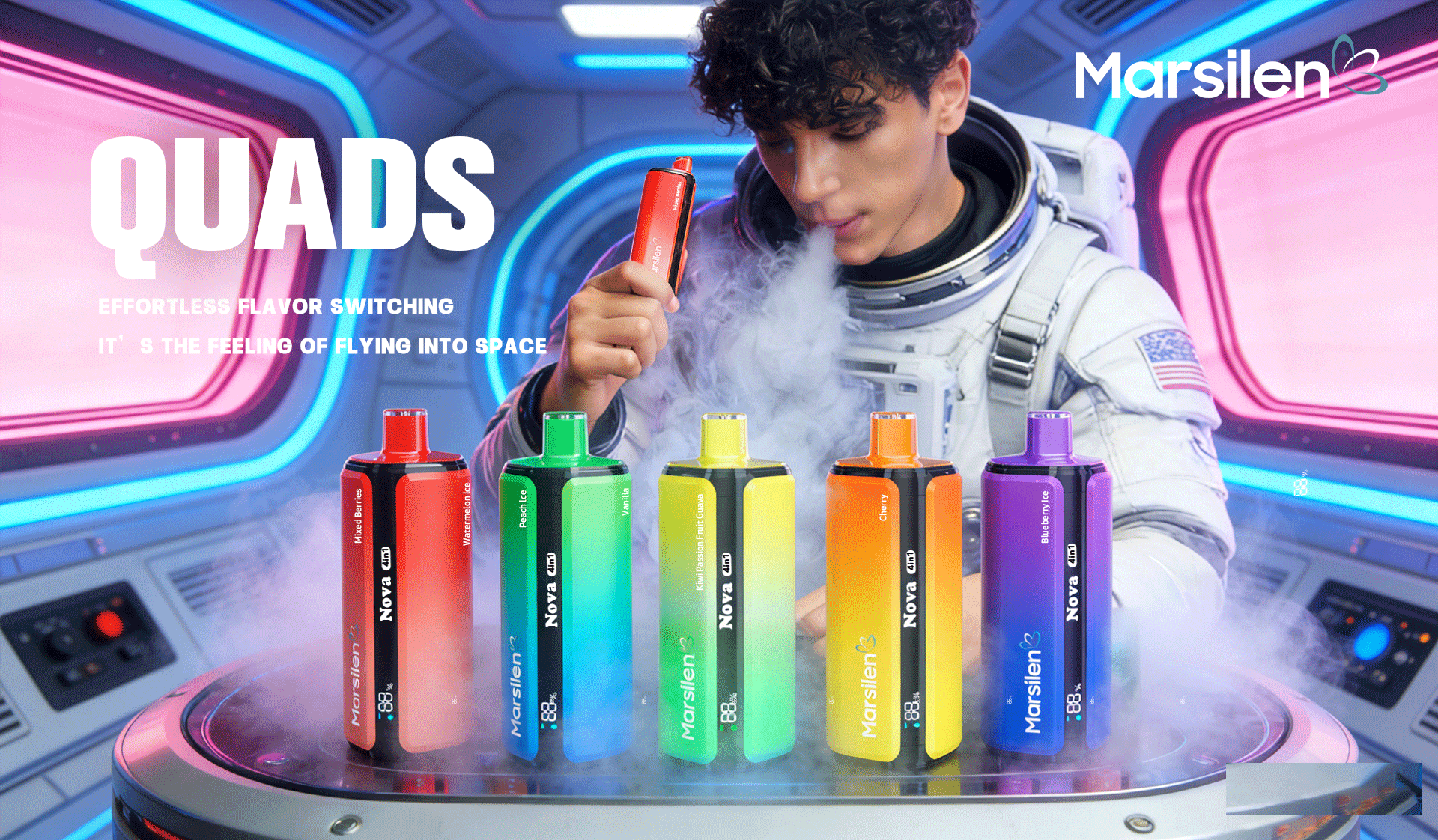
The Marsilen disposable vape provides adult users with a portable nicotine delivery system containing 2ml of e-liquid per pod, integrated mesh heating elements, and a rechargeable battery structure designed to handle approximately 600 to 2400 puffs depending on the specific model configuration.
Market research from 2025 shows that 42 percent of adult consumers choose disposable e-cigarettes over open-tank systems because these devices require zero coil replacements or liquid refills during daily use.
Operating a single-use electronic cigarette requires understanding how lithium-ion batteries discharge power across a typical 500mAh to 950mAh capacity range over a 24-hour cycle.
Battery discharge rates directly influence how much vapor is produced when an adult inhales from a device containing 20mg/mL nicotine salt solutions.
Nicotine salt formulations absorb into the bloodstream faster than traditional freebase liquids, matching the physiological absorption curve observed in traditional cigarette smoking studies conducted in 2024.
Faster nicotine absorption rates lead many daily users to consume between 1.5ml and 3ml of e-liquid daily, which aligns with consumer tracking data gathered across 15,000 adult participants in urban retail surveys.
Consumer tracking data gathered across 15,000 adult participants in urban retail surveys indicate that flavor fatigue remains the primary reason vapers switch between different product formats every 14 days.
Switching between multiple single units can become financially burdensome when retail prices average 15 dollars per device, prompting manufacturers to engineer multi-chamber alternatives like the marsilen 4 in 1 disposable pod to lower monthly expenditures.
Lowering monthly expenditures on nicotine products allows buyers to reduce overall spending by nearly 30 percent compared to purchasing individual single-flavor units every single day.
Purchasing individual single-flavor units every single day also increases household plastic waste, a metric that environmental agencies measured at over 4 million discarded units per week in major metropolitan zones during 2025.
Discarded plastic waste and spent lithium batteries have pushed regulatory bodies in 18 countries to enforce stricter recycling labels and manufacturing restrictions on all portable vaping hardware.
Stricter manufacturing restrictions require brands to use easily separable housing materials so that consumers can separate plastic shells from internal circuitry before throwing them into local municipal bins.
Local municipal bins receive millions of electronic devices annually, prompting public health officials to monitor how improper disposal affects local soil and groundwater mineral levels.
Soil and groundwater mineral levels near municipal processing facilities show trace quantities of heavy metals, reinforcing the necessity for standardized recycling programs specifically tailored for small lithium power cells.
Small lithium power cells maintain stable voltage outputs only when ambient temperatures remain between 15 and 25 degrees Celsius during everyday outdoor carrying routines.
Ambient temperatures outside this optimal thermal window can degrade internal battery performance by up to 22 percent within a standard three-week operational lifespan.
Internal battery performance degradation forces users to recharge their hardware more frequently using standard Type-C cables connected to standard wall adapters.
Standard wall adapters deliver a steady 5-volt charge that fills empty cells in roughly 45 minutes, minimizing downtime for working adults who rely on uninterrupted nicotine access throughout their shifts.
Uninterrupted nicotine access helps mitigate withdrawal symptoms such as mild irritability and concentration dips documented in clinical trials involving 1,200 participants monitored over a 90-day observation period.
A 90-day observation period provides enough longitudinal data to show that adult switchers maintain a 68 percent cessation rate away from combustible tobacco when using regulated, flavor-consistent pod systems.